•
5 min read
Eating Out on a Low-Sodium Diet: What to Ask Before You Order
Simple questions to ask at restaurants to reduce hidden sodium and make eating out easier on a low-sodium diet.

Reading nutrition information can make eating with less sodium much easier, especially when you are comparing packaged foods or checking nutrition information before eating out.
Sodium can add up qEating out can feel challenging when you are trying to follow a low-sodium diet. Restaurant meals often contain much more sodium than similar meals prepared at home, and it is not always obvious where that sodium comes from.
The good news is that you do not have to stop enjoying restaurants. A few simple questions and thoughtful choices can make eating out much easier.
Know What to Ask Before You Order
Do not be afraid to ask how a dish is prepared. A meal that looks simple on the menu may already contain salt in marinades, seasoning blends, sauces, dressings, or cooking liquids.
You can politely ask whether your meal can be prepared without added salt and whether sauces or dressings can be served on the side.
It can also be helpful to ask if meat, poultry, or seafood has already been marinated, brined, or pre-seasoned. If it has, removing salt during cooking may not significantly reduce the sodium already in the food.
Watch for Hidden Sources of Sodium
Some of the biggest sources of sodium at restaurants are not always the most obvious ones.
Sauces, gravies, salad dressings, soups, broths, cheese, cured meats, pickled foods, bread, and seasoning blends can add significant amounts of sodium to a meal.
Rather than trying to identify every milligram, focus on choosing simpler dishes with fewer heavily seasoned or processed ingredients.
Choose Simply Prepared Foods
Grilled, baked, roasted, or steamed foods can often be easier to customize than dishes that arrive already covered in sauce or seasoning.
A simple meal such as grilled fish or chicken with vegetables, a baked potato, rice, or a plain salad gives you more control over what is added.
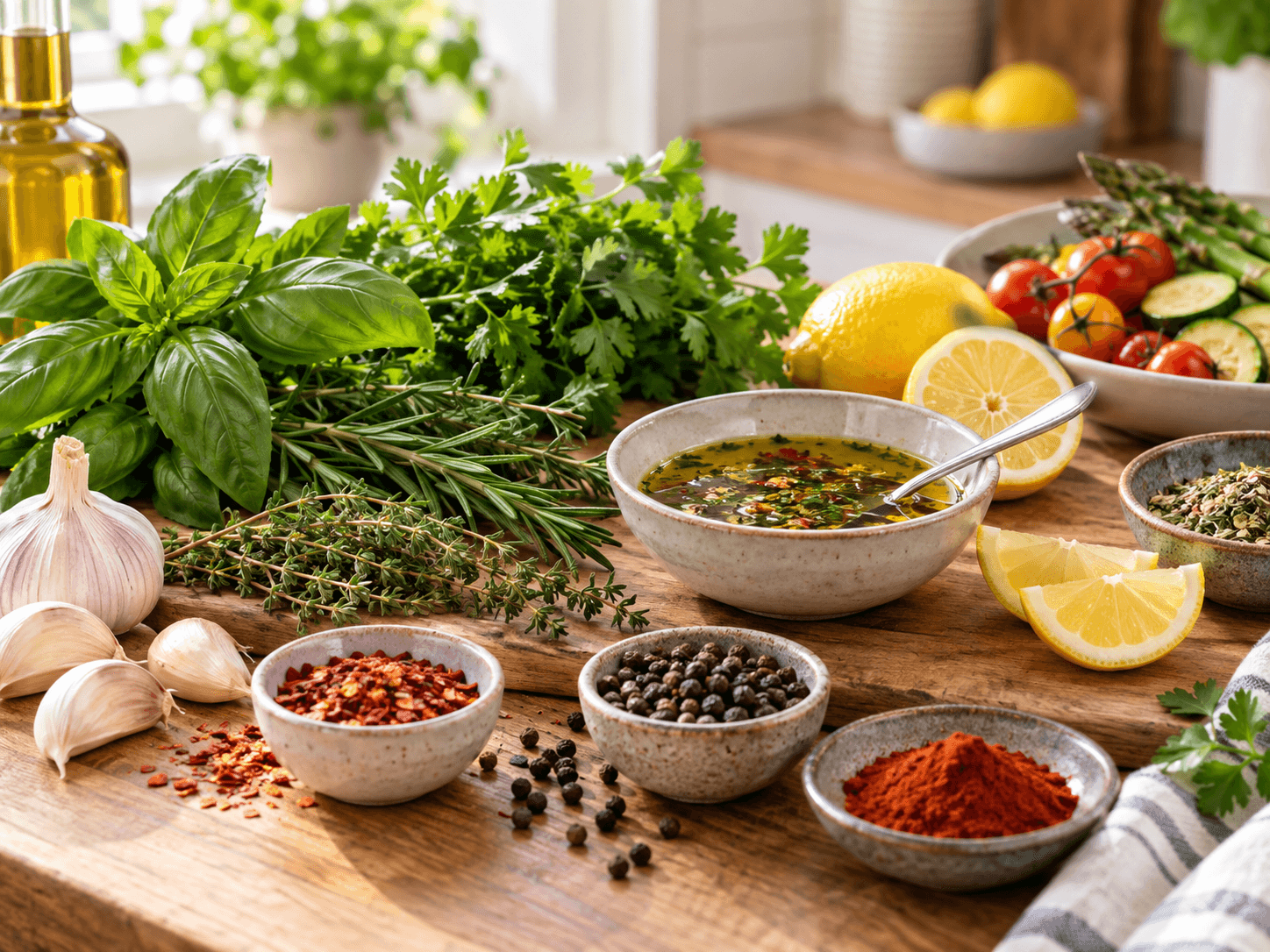
Fresh lemon, herbs, pepper, garlic, or a splash of vinegar can add flavor without relying heavily on salt.
Keep Sauces and Dressings on the Side
Ordering sauces, gravies, and salad dressings on the side is one of the easiest ways to control how much you use.
Instead of having the restaurant mix the entire portion into your meal, you can add only what you need for flavor.
This small change can make a meaningful difference while still allowing you to enjoy the dish.
Check Nutrition Information When Available
Many restaurant chains provide nutrition information online or in their restaurants. Checking the sodium content before you arrive can make choosing your meal much easier.
Remember to look at the entire meal, including sides, sauces, dressings, bread, and other extras—not just the main dish.
Plan the Rest of Your Day
One restaurant meal does not have to determine your entire day.
If you know you will be eating out, keeping your other meals simple and lower in sodium can give you more flexibility.
The goal is not perfection. It is making informed choices that fit into the way you normally eat.
Enjoy Eating Out Without the Stress
Following a low-sodium diet should not mean avoiding restaurants or worrying about every meal.
Ask questions, choose simpler preparations when possible, and focus on the parts of the meal you can control.
With a little preparation, eating out can still be an enjoyable part of a healthy lifestyle.uickly, and foods that do not taste particularly salty can still contain more than you expect. Knowing what to look for helps you compare your options instead of relying on guesswork.