•
11 min read
7-Day Low-Sodium Meal Plan for Beginners
A practical 7-day low-sodium meal plan with simple meals, smart leftovers, prep tips, and a grocery list to make your first week easier.

Starting a low-sodium diet is much easier when you do not have to decide what to eat at every meal.
This 7-day low-sodium meal plan for beginners gives you a simple framework for breakfast, lunch, dinner, and snacks for one full week. It uses everyday foods, repeats ingredients strategically, and turns some leftovers into future meals so you do not have to cook everything from scratch.
This plan is a general template, not a medical prescription. Sodium can vary significantly between brands of bread, canned foods, sauces, tortillas, dairy products, broths, and other packaged ingredients. Always check Nutrition Facts labels and follow any sodium target given to you by your healthcare professional.
If you are completely new to reducing sodium, start with our Low-Sodium Diet for Beginners: A Practical Guide to Getting Started.
How Much Sodium Should You Aim For?
For general U.S. nutrition labeling, the FDA Daily Value for sodium is less than 2,300 mg per day.
The DASH eating plan from the National Heart, Lung, and Blood Institute uses a sodium limit of 2,300 mg per day, with a lower-sodium version of 1,500 mg per day.
Your personal target may be different, especially if a doctor, registered dietitian, or other healthcare professional has given you individualized guidance.
That is why this meal plan does not promise an exact daily sodium total.
Instead, it shows you how to build meals around foods that are easier to control while teaching you where sodium can vary.
How This 7-Day Low-Sodium Meal Plan Works
The plan follows a few practical principles:
Build meals around vegetables, fruits, whole grains, beans, fresh poultry, fish, eggs, and other minimally processed foods.
Choose no-salt-added or lower-sodium products when packaged ingredients are needed.
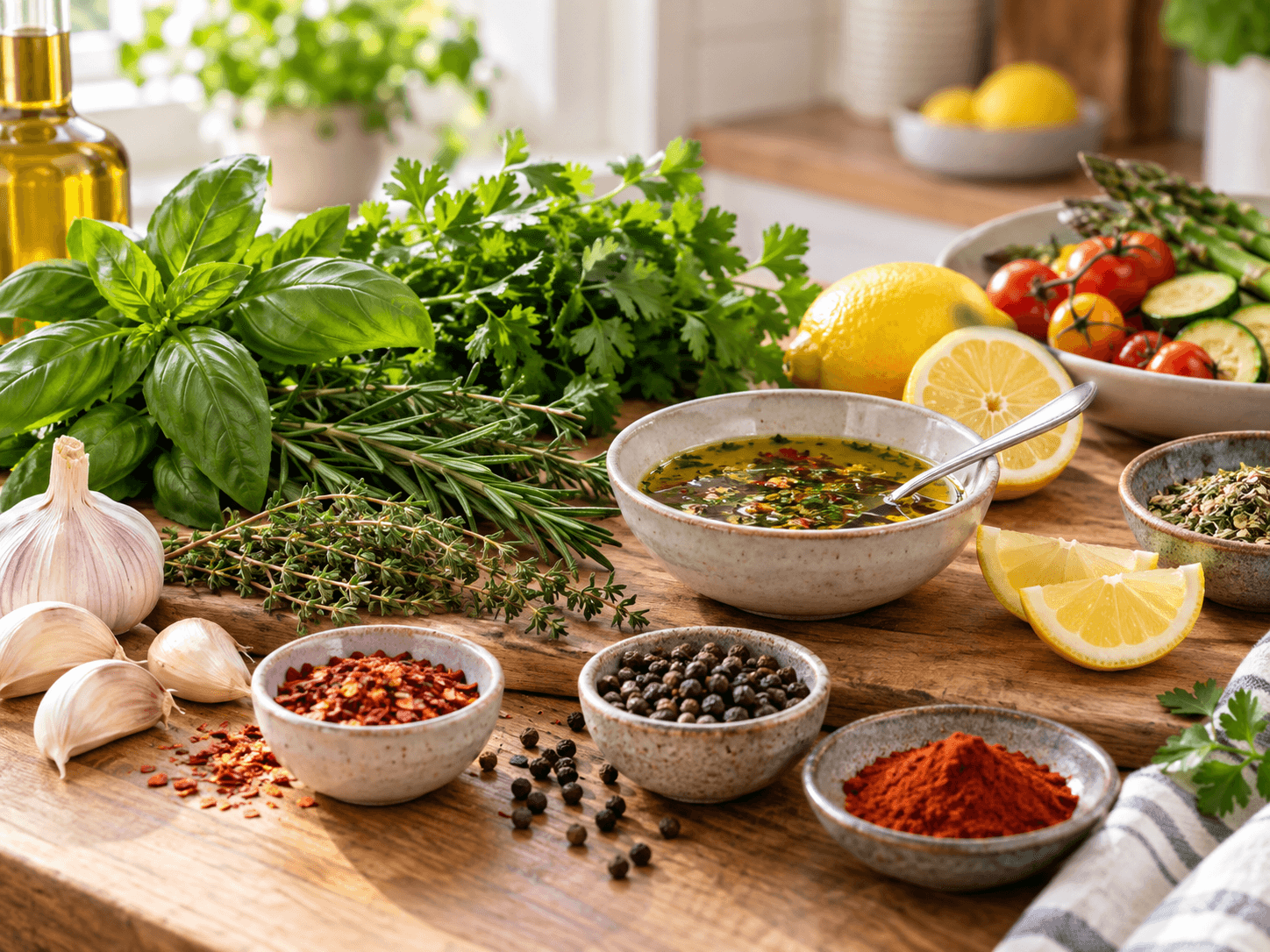
Use herbs, spices, garlic, citrus, and vinegar to build flavor.
Check the labels on bread, wraps, canned foods, sauces, condiments, broths, and other packaged ingredients.
Cook extra portions when they can make another meal easier later in the week.
These principles are also consistent with the DASH eating plan from NHLBI, which emphasizes vegetables, fruits, whole grains, low-fat or fat-free dairy, fish, poultry, beans, nuts, and lower sodium intake.
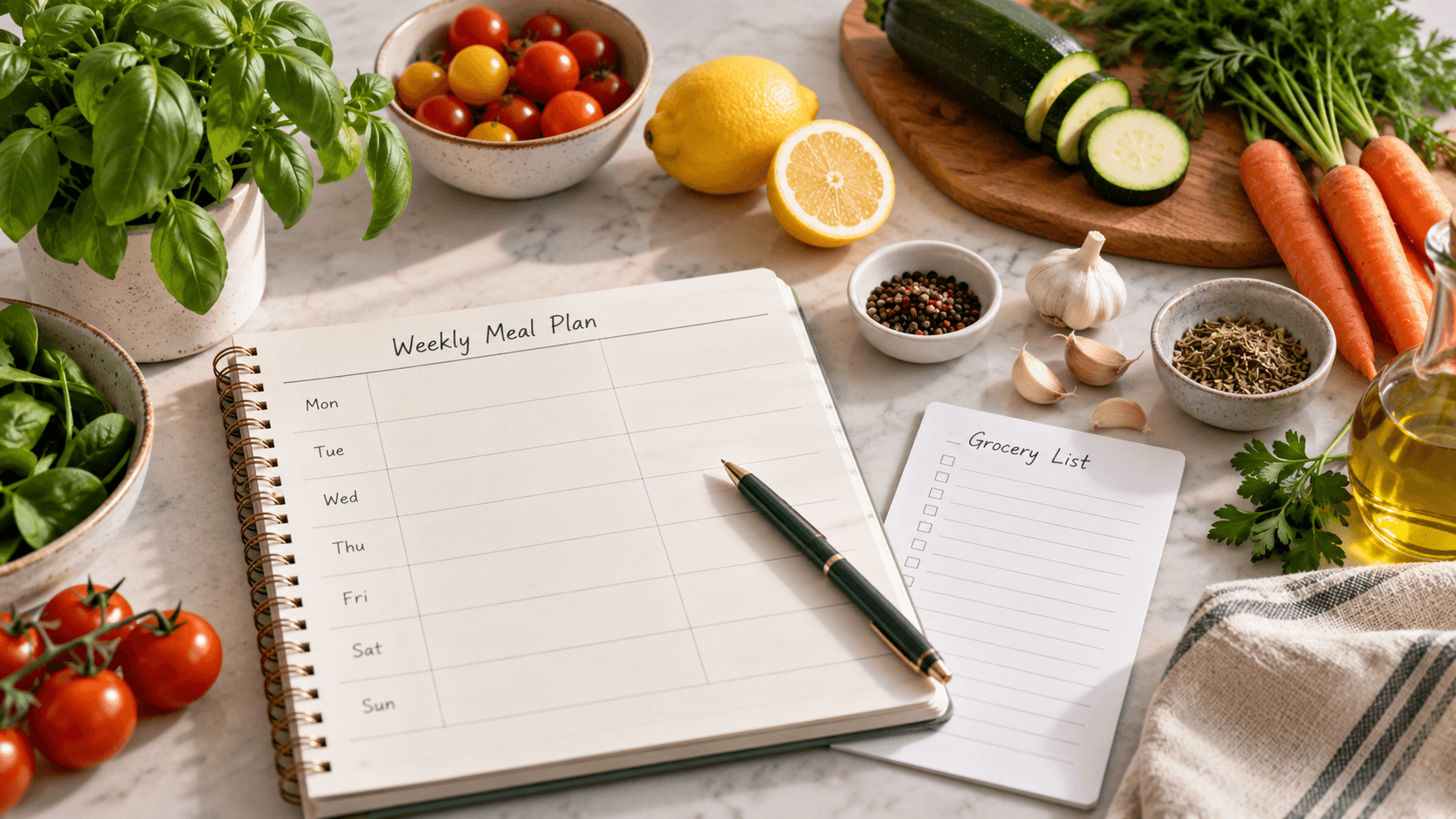
7-Day Low-Sodium Meal Plan
Day 1
Breakfast: Oatmeal With Banana, Berries, and Walnuts
Prepare plain oats and top them with sliced banana, berries, cinnamon, and a small handful of unsalted walnuts.
Using plain oatmeal instead of heavily flavored instant varieties gives you more control over what goes into your breakfast.
Lunch: Chickpea and Vegetable Salad
Combine:
mixed greens;
cucumber;
tomato;
carrots;
no-salt-added chickpeas.
Dress with olive oil, fresh lemon juice, black pepper, and herbs.
Dinner: Lemon-Herb Chicken With Roasted Vegetables and Brown Rice
Season fresh chicken with lemon, garlic, black pepper, rosemary, oregano, or another salt-free herb blend.
Serve with roasted vegetables and plain brown rice.
Cook a little extra chicken and rice for another meal later in the week.
Snack
Apple with unsalted peanut butter.
Prep Tip
Roast extra vegetables tonight. They can make tomorrow’s lunch much faster.
Day 2
Breakfast: Plain Yogurt With Berries and Unsalted Nuts
Choose plain yogurt and check the Nutrition Facts label, since sodium can vary between products.
Add berries, cinnamon, and a small handful of unsalted nuts.
Lunch: Roasted Vegetable and Brown Rice Bowl
Use some of yesterday’s roasted vegetables and brown rice.
Add leafy greens and dress with olive oil, lemon juice, herbs, and black pepper.
Dinner: Lentil and Vegetable Soup
Combine lentils with vegetables, herbs, garlic, and no-salt-added or lower-sodium broth.
If you use canned lentils, compare labels and look for no-salt-added or lower-sodium options when available.
Do not assume a homemade soup is automatically low in sodium. Broth, stock, canned ingredients, and seasoning blends can make a major difference.
Snack
Carrot and cucumber sticks with a simple yogurt-and-herb dip.
Prep Tip
Make enough soup for another lunch later in the week.
Day 3
Breakfast: Scrambled Eggs With Peppers and Onions
Cook eggs with sautéed bell peppers and onions.
Add black pepper, garlic, paprika, fresh herbs, or another salt-free seasoning instead of automatically reaching for the salt shaker.
Lunch: Chicken and Vegetable Bowl
Use leftover chicken with:
leafy greens;
cucumber;
tomato;
brown rice;
lemon juice;
olive oil.
This is one reason cooking a little extra protein and grain earlier in the week can save time.
Dinner: Baked White Fish With Potato and Green Beans
Bake fresh white fish with lemon, garlic, black pepper, and herbs.
Serve with a plain baked or roasted potato and green beans prepared simply.
Snack
Fresh fruit with a small handful of unsalted almonds.
Day 4
Breakfast: Whole-Grain Toast With Avocado and Egg
Top whole-grain toast with mashed avocado, a cooked egg, fresh tomato, and black pepper.
Check the bread label carefully. Sodium can vary considerably from one bread to another.
Lunch: Leftover Lentil and Vegetable Soup
Serve the soup prepared earlier in the week with a simple side salad.
Keep the dressing simple or use it sparingly.
Dinner: Vegetable Rice Bowl With Egg
Combine leftover brown rice with sautéed vegetables and an egg.
Add flavor with garlic, ginger, black pepper, herbs, or a salt-free seasoning blend.
If you want to use soy sauce, compare labels and control the amount. Even reduced-sodium soy sauce still contains sodium.
Snack
Berries with plain yogurt.
Prep Tip
Chop some extra vegetables for tomorrow’s meals.
Day 5
Breakfast: Berry-Banana Smoothie
Blend:
banana;
berries;
spinach;
unsweetened milk or a plant-based alternative.
If you use packaged plant milk, check the Nutrition Facts label because sodium varies by brand.
Lunch: Chickpea and Avocado Bowl
Combine:
no-salt-added chickpeas;
avocado;
cucumber;
tomato;
leafy greens;
lemon juice;
herbs.
Add olive oil and black pepper if desired.
Dinner: Pasta With Vegetables and No-Salt-Added Tomato Sauce
Serve pasta with sautéed vegetables and no-salt-added tomato sauce.
Another option is to make a simple sauce using no-salt-added canned tomatoes, garlic, herbs, and olive oil.
Snack
Air-popped popcorn with a salt-free seasoning blend.
Prep Tip
Make extra tomato sauce and save it for another meal.
Day 6
Breakfast: Apple-Cinnamon Oatmeal
Prepare plain oatmeal and add chopped apple, cinnamon, and unsalted walnuts.
This uses the same basic breakfast ingredients as earlier in the week while changing the flavor.
Lunch: Leftover Vegetable Pasta
Use a reasonable portion of yesterday’s vegetable pasta with a simple side salad.
If you add dressing, keep the amount under your control.
Dinner: Black Bean Tacos With Avocado and Vegetables
Use:
no-salt-added black beans;
lettuce;
tomato;
avocado;
onion;
cilantro;
fresh lime.
Tortillas can vary substantially in sodium, so compare Nutrition Facts labels before choosing them.
Instead of relying heavily on packaged salsa, you can use fresh tomato, onion, cilantro, and lime. If you prefer packaged salsa, compare sodium levels between products.
Snack
Fresh fruit with a small handful of unsalted nuts.
Day 7
Breakfast: Vegetable Omelet
Prepare an omelet with vegetables left from the week, such as:
spinach;
peppers;
onions;
tomatoes.
Season with herbs and black pepper.
Lunch: Leftover Bowl
Use remaining vegetables, grains, beans, chicken, or other ingredients to create a simple bowl.
A useful formula is:
protein + vegetables + whole grain or starch + simple flavoring
There is no need to let useful ingredients go to waste simply because they were not assigned to a new recipe.
Dinner: Salmon With Roasted Vegetables and Quinoa
Bake fresh salmon with lemon, garlic, black pepper, and herbs.
Serve with roasted vegetables and plain quinoa.
Snack
Apple slices with unsalted nut butter.
End-of-Week Tip
Notice which meals were easiest to prepare, which ingredients you enjoyed most, and which leftovers were genuinely useful.
Those are the meals worth repeating next week.
Low-Sodium Grocery List for the Week
You do not need to buy everything on this list if you already have some ingredients at home.
Produce
bananas;
apples;
berries;
lemons and/or limes;
avocados;
spinach or mixed greens;
tomatoes;
cucumbers;
carrots;
bell peppers;
onions;
garlic;
green beans;
potatoes;
additional vegetables for roasting.
Protein Foods
fresh chicken;
fresh white fish;
fresh salmon;
eggs;
dry lentils or lower-sodium/no-salt-added lentils;
no-salt-added chickpeas;
no-salt-added black beans;
unsalted nuts;
unsalted nut butter.
Grains and Starches
plain oats;
brown rice;
quinoa;
pasta;
whole-grain bread;
tortillas.
Dairy or Alternatives
plain yogurt;
unsweetened milk or plant-based alternative.
Pantry and Flavor
olive oil;
vinegar;
cinnamon;
black pepper;
paprika;
garlic powder without added salt;
dried herbs;
fresh herbs when available;
salt-free seasoning blends;
no-salt-added canned tomatoes or tomato sauce;
no-salt-added or lower-sodium broth.
The Labels Worth Checking Most Carefully
Fresh fruits and vegetables are relatively straightforward, but packaged foods deserve more attention.
During this week, pay particular attention to the sodium listed on:
bread;
tortillas;
broth and stock;
canned beans;
canned tomatoes and tomato sauces;
soy sauce;
salsa;
nut butters;
yogurt;
plant-based milk;
seasoning blends.
Two products that look almost identical can contain very different amounts of sodium.
The FDA recommends using the Nutrition Facts label to compare foods. As a general guide, 5% Daily Value or less of sodium per serving is considered low, while 20% Daily Value or more is considered high.
Also check the serving size. If you eat two servings, you are consuming twice the sodium listed for one serving.
3 Ways to Make Your Low-Sodium Week Easier
1. Cook Once, Use Twice
When you roast vegetables, cook rice, prepare chicken, or make soup, consider making enough for another meal.
That does not mean eating the same dinner every night.
It means turning part of today’s cooking into a shortcut for tomorrow.
2. Build Flavor Before Reaching for Salt
Keep a few simple flavor combinations in mind:
Lemon + garlic + black pepper
Lime + cilantro + garlic
Olive oil + vinegar + herbs
Paprika + garlic + black pepper
Ginger + garlic + lime
Reducing sodium does not mean eliminating flavor.
3. Keep One Simple Backup Meal Available
Plans change.
Keep ingredients available for one meal that requires very little effort, such as:
eggs + vegetables + plain rice
or:
oatmeal + fruit + unsalted nuts
A simple backup can make it easier to stay with your plan on a busy day.
Can You Repeat This Meal Plan?
Yes.
This plan is meant to give you a structure that can be reused rather than seven meals you can only eat once.
For example:
salmon → another fresh fish
brown rice → quinoa
chickpeas → another no-salt-added bean
green beans → broccoli
berries → another fruit
The basic structure stays familiar while individual foods change.
That can make meal planning much easier over time.
Common Mistakes to Avoid
Assuming “Healthy” Automatically Means Low Sodium
Whole-grain bread, plant-based foods, canned beans, soups, sauces, and other nutritious foods can still contribute meaningful sodium.
Check the label rather than relying only on the health image of the product.
Assuming “Reduced Sodium” Means Low Sodium
A reduced-sodium product contains less sodium than its regular version, but that does not automatically make it a low-sodium food.
Compare the actual milligrams of sodium per serving.
Forgetting About Portions
The sodium listed on a Nutrition Facts label is tied to a specific serving size.
Eating more than one serving changes the amount you consume.
Trying to Change Everything at Once
A sustainable low-sodium routine does not require a perfect kitchen overnight.
Start by identifying the foods you eat most often and make better choices there first.
Frequently Asked Questions
Is This Meal Plan Under 2,300 mg of Sodium Per Day?
It is built around lower-sodium choices, but it would be misleading to promise an exact daily total without specifying every brand, recipe, quantity, and portion size.
Bread, tortillas, broth, canned foods, dairy products, sauces, and other packaged ingredients can vary significantly.
If you need to stay below a specific daily sodium limit, calculate your intake using the actual Nutrition Facts labels on the products you use and follow your healthcare professional’s guidance.
Is 1,500 mg of Sodium Better Than 2,300 mg?
The NHLBI DASH eating plan includes both a 2,300 mg and a 1,500 mg sodium level.
NHLBI notes that the 1,500 mg level can lower blood pressure further than the 2,300 mg level. However, the right target for you depends on your individual circumstances and any guidance you have received from a healthcare professional.
Can I Use Canned Foods?
Yes.
Look for no-salt-added or lower-sodium versions when available and compare Nutrition Facts labels between brands.
Canned foods are not automatically incompatible with a lower-sodium diet.
Do I Have to Cook Everything From Scratch?
No.
The goal is not to make eating less sodium unnecessarily difficult.
Packaged foods can still fit into your routine when you compare labels and choose products that work with your needs.
What If I Eat at a Restaurant During the Week?
One restaurant meal does not mean the entire week has failed.
Check nutrition information when available, look at how the food is prepared, control sauces and salty extras where practical, and make the best choice available to you.
Start With One Week, Then Build From There
A low-sodium diet becomes easier when you stop treating every meal as a completely separate problem.
Use this first week to learn:
which breakfasts are easiest for you;
which ingredients you like keeping at home;
which foods need more careful label checking;
which dinners make useful leftovers;
which simple flavor combinations you genuinely enjoy.
Then use the same structure to build another week around foods you like.
Small systems are often easier to maintain than trying to create a completely new menu every day.
If you want more structured help with meal planning, recipes, and healthier eating, explore Theodora Parham’s cookbooks and practical guides.